However, experts from the University of Nottingham found that some of the drugs posed other problems, such as an increased risk of liver dysfunction, acute kidney failure, muscle damage known as myopathy and cataracts.
Previously known side-effects include constipation or diarrhoea, headaches, insomnia, loss of appetite and loss of sensation or pain in some nerve endings.
However, in response to the research, experts and charity figures said statins still did more good than harm, and their ability to save lives far outweighed the risks.
The drugs are typically used by people with high cholesterol, as well as those at a higher risk of stroke or heart disease, including people with diabetes or angina.
Data from 368 GP practices was used in the study, which involved more than two million patients aged 30 to 84. Of those, 10.7% were new users of statins, 70.7% used simvastatin, 22.3% used atorvastatin, 3.6% used pravastatin, 1.9% used rosuvastatin and 1.4% used fluvastatin.
The research has been published in the British Medical Journal (BMJ). Click here to read the article
Your doctor will take steps to diagnose you since statin intolerance can mimic other health problems. Your doctor may have you stop taking statins to see if your symptoms stop and then slowly reintroduce the drug to see if your symptoms return.
Your doctor may also:
perform a full medical evaluation
perform a blood test to show if you have any abnormalities, such as high levels of creatine kinase or liver damage
review of your family history to see if others in your family have statin intolerance
conduct genetic tests to see if you are genetically prone to side effects from statins
conduct a muscle biopsy to remove a small amount of muscle for testing
require a symptom questionnaire, where you describe your symptoms
conduct a muscle strength test to evaluate the strength of your muscles
Many statin problems are related to dosage. Your doctor may reduce the amount you are taking to see if it reduces your symptoms. They may prescribe a lower dosage or even decrease the number of days per week you take your medicine.
Lifestyle changes are also encouraged. A healthy diet can help lower cholesterol naturally and decrease your cardiovascular risks.
Your doctor may change which statin you’re taking. There are several statin options, and you may have a better reaction with a different type. Your doctor may also prescribe non-statin cholesterol-lowering drugs.
Here is a survey of some of these findings about statins and negative health:
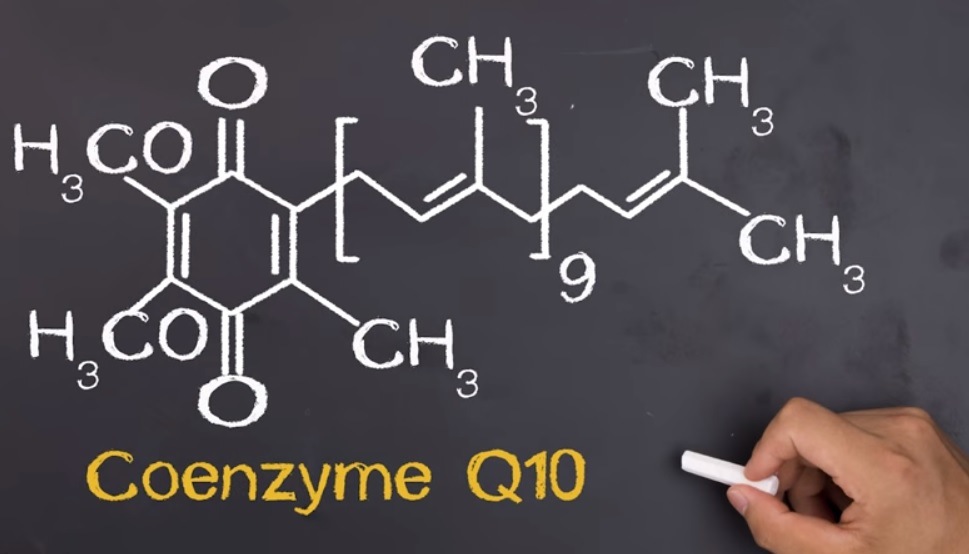
◾Statins interfere with the production of coenzyme Q10, which supports the body’s immune and nervous systems, boosts heart and other muscle health, maintains normal blood pressure, and much more. ◾Statins weaken the immune system, make it difficult to fight off bacterial infections, and increase the production of cytokines, which trigger and sustain inflammation. ◾They make some patients unable to concentrate or remember words, and are linked to muscle and neurological problems, including Lou Gehrig’s Disease. ◾Statins inhibit the beneficial effects of omega-3 fatty acids by promoting the metabolism of omega-6 fatty acids, which increases insulin resistance and the risk of developing diabetes.
◾There is evidence that statin use blocks the benefits of exercise. Exercise increases the activity and numbers of mitochondria, cells’ “power plants” that process sugars and fat. The study found that with statin use, mitochondrial activity actually decreases with exercise. ◾Statins work by reducing the body’s ability to produce cholesterol, which is essential to brain health—the brain is 2% of the body’s weight, but contains 25% of the entire body’s cholesterol. ◾Statin users have a higher incidence of nerve degeneration and pain, memory loss, confusion, depression, and a higher risk of ALS and Parkinson’s, according to Dr. David Williams in his July 2014 Alternatives newsletter. Statins also decrease carotenoid levels. Carotenoids, which are found in fresh fruits and vegetables and act as antioxidants, have a number of benefits, including protecting against cell damage, aging, and chronic diseases. ◾Statin drugs may also be driving Americans to overeat: a twelve-year study published in JAMA Internal Medicine found that statin users increased their calorie intake by 9%, and fat consumption by 14.4%, over the study period, whereas those who didn’t take statins didn’t significantly change in either measure. ◾An animal study linked statin use to muscle damage. Animals that exercised on statins had 226% more muscle damage than those not given statins. ◾They affect the quality of sleep. ◾Statins increase the risk of prostate and breast cancer. ◾Statins are known to cause liver damage by increasing the liver’s production of digestive enzymes. ◾Statins also speed aging and lower sex drive. ◾Statins have been linked to aggressive and violent behavior in women.
Despite these widely documented risks, the media’s coverage of any adverse side effects is typically followed by the reassurance that the benefits of statins outweigh the risks.
Even when it comes to heart disease prevention, conventional thinking gets it wrong. The American Heart Association, for instance, published a study based on the outdated, simplistic notion that there are two kinds of cholesterol: “bad” (LDL) and “good” (HDL). The AHA’s dietary guidelines are also centered on the debunked notion that “bad” cholesterol causes heart disease, and that since saturated fat may raise “bad” cholesterol levels, it’s the ultimate dietary evildoer. And here’s the kicker: the AHA’s guidelines could lead to 33 million healthy Americans taking statins. (exerpt from the alliance of natural health)
(NaturalNews) Statins, the widely prescribed class of drugs said to lower "bad" cholesterol and reduce the risk of heart problems, has recently come under fire after a study revealed that they destroy human health more than they work to improve it.
Sadly, many people take statin drugs, which are commonly known by brand names including Lipitor, Crestor and Zocor. Prescription drug spending in the U.S. shot up to about $374 billion in 2014, representing the highest level of spending since 2001. Statins undoubtedly made up a significant portion of this spending, and now consumers who take such drugs have much more to worry about than the dent it's making in their wallets.
The study, which was published in the American Journal of Physiology, states that statins' "...impact on other biologic properties of stem cells provides a novel explanation for their adverse clinical effects." Specifically, the study states that such adverse effects include advancing the "process of aging" and also notes that "...long-term use of statins has been associated with adverse effects including myopathy, neurological side effects and an increased risk of diabetes." Myopathy refers to skeletal muscle weakness.
Statins make cells unable to repair properly, create nerve problems and destroy memory
Experts involved in the study suggest that the health problems associated with statins have likely been downplayed through the years. In reality, those taking such cholesterol-lowering drugs have been experiencing cataracts, fatigue, liver problems, muscle pain and memory loss. Simply put, the drugs have been found to tamper with cells in such a way that their primary purpose of reproducing and helping the body repair is thwarted. With that comes the onset of terrible health issues or the worsening of existing ones.
Professor Reza Izadpanah, a stem cell biologist and lead author of the published study, says, "Our study shows statins may speed up the ageing process. People who use statins as a preventative medicine for [health] should think again as our research shows they may have general unwanted effects on the body which could include muscle pain, nerve problems and joint problems."
Despite health problems linked to statin drugs, FDA says people shouldn't be scared of them
While the FDA notes on its web site that "Cognitive (brain-related) impairment, such as memory loss, forgetfulness and confusion, has been reported by some statin users" and that "People being treated with statins may have an increased risk of raised blood sugar levels and the development of Type 2 diabetes," they also maintain its safety and effectiveness. The site directs people's attention to the advice of Amy G. Egan, M.D., M.P.H., who is the deputy director for safety in the FDA's Division of Metabolism and Endocrinology Products (DMEP). She says, "This new information should not scare people off statins. Their benefit is indisputable, but they need to be taken with care and knowledge of their side effects."
Indisputable? Especially after this latest study, we beg to differ. What's beneficial about accelerated aging, cells that don't properly function, muscle weakness and memory loss?
The need to continually assess prescription drugs and older studies that tout their benefits
This finding demonstrates the importance of revisiting the so-called benefits of prescription drugs, something that hopefully continues so consumers can be fully informed and kept in the best health possible.
A similar eye-opening study involving the adolescent antidepressant Paxil recently made headlines when a reanalysis of an original study exposed errors and incomplete information. In reality, the drug was found not to be safe and effective for its intended demographic after all, a finding that Brian Nosek, a professor of psychology at the University of Virginia, says "signals that the community is waking up, checking its work and doing what science is supposed to do — self-correct." Sources for this article include: Express.co.uk Blogs.WSJ.com AJPCell.physiology.org[PDF] FDA.gov NYTimes.com
Once again the medical establishment gets it completely backward.
NPR recently ran a story that suggests terminally ill patients can safely stop taking cholesterol-reducing statin drugs. The final quote of the article is illuminating: “Most of the studies focus on when to start a medication; there’s been very little focus on when do you stop it.” No surprise there: whether you’re very young or very old, Big Pharma would love you to continue buying statins—for a very long time indeed.
Heart disease, as many of us know, is one of the leading causes of death in the US, killing about 610,000 people each year. Big Pharma—in the belief that cholesterol is the primary factor in heart disease—developed statin drugs that would lower cholesterol and reduce the risk of heart disease. The drugs, which have been accompanied by massive marketing campaigns, are huge moneymakers for the drug industry, to the tune of about $29 billion worth of sales in 2013. That’s the kind of outrageous money you make when you convince one in four Americans over the age of 45 to take statins.
Over the years we’ve reported on a wide range of negative health effects that have been linked to these drugs. Here is a survey of some of these findings:
Statins interfere with the production of coenzyme Q10, which supports the body’s immune and nervous systems, boosts heart and other muscle health, maintains normal blood pressure, and much more.
Statins weaken the immune system, make it difficult to fight off bacterial infections, and increase the production of cytokines, which trigger and sustain inflammation.
They make some patients unable to concentrate or remember words, and are linked to muscle and neurological problems, including Lou Gehrig’s Disease.
There is evidence that statin use blocks the benefits of exercise. Exercise increases the activity and numbers of mitochondria, cells’ “power plants” that process sugars and fat. The study found that with statin use, mitochondrial activity actually decreases with exercise.
Statins work by reducing the body’s ability to produce cholesterol, which is essential to brain health—the brain is 2% of the body’s weight, but contains 25% of the entire body’s cholesterol.
Statin users have a higher incidence of nerve degeneration and pain, memory loss, confusion, depression, and a higher risk of ALS and Parkinson’s, according to Dr. David Williams in his July 2014 Alternativesnewsletter. Statins also decrease carotenoid levels. Carotenoids, which are found in fresh fruits and vegetables and act as antioxidants, have a number of benefits, including protecting against cell damage, aging, and chronic diseases.
Statin drugs may also be driving Americans to overeat: a twelve-year study published in JAMA Internal Medicinefound that statin users increased their calorie intake by 9%, and fat consumption by 14.4%, over the study period, whereas those who didn’t take statins didn’t significantly change in either measure.
An animal study linked statin use to muscle damage. Animals that exercised on statins had 226% more muscle damage than those not given statins.
Despite these widely documented risks, the media’s coverage of any adverse side effects is typically followed by the reassurance that the benefits of statins outweigh the risks.
Even when it comes to heart disease prevention, conventional thinking gets it wrong. The American Heart Association, for instance, published a study based on the outdated, simplistic notion that there are two kinds of cholesterol: “bad” (LDL) and “good” (HDL). The AHA’s dietary guidelines are also centered on the debunked notion that “bad” cholesterol causes heart disease, and that since saturated fat may raise “bad” cholesterol levels, it’s the ultimate dietary evildoer. And here’s the kicker: the AHA’s guidelines could lead to 33 million healthy Americanstaking statins.
What the AHA does not seem to understand is that cholesterol is vital to human health. We’ve noted in the past that cholesterol isn’t the ticking time bomb most people have been led to think—in fact, the real danger is that our cholesterol levels can get too low as we age! Even “bad” cholesterol is essential.
Another study of almost 15,000 patients over 18 years found that those with higher LDL levels and total cholesterol had a lower risk of developing atrial fibrillation, an irregular heart rate that causes poor blood flow to the body.
A review article published in 2005 by a Japanese scientist found that “high total cholesterol is not positively associated with coronary heart disease mortality rates among general populations more than 40–50 years of age,” and therefore there is little benefit to lowering cholesterol levels if you’re older.
A 2005 study from the Columbia University College of Physicians and Surgeons found that people with the lowest cholesterol and LDL levels were twice as likely to die within three years compared to those with the highest levels.
Even government agencies are realizing that cholesterol isn’t the dietary bogeyman it has been made out to be. The Dietary Guidelines Advisory Committee, a project of the FDA and USDA that sets government recommendations for a healthy diet, is about to withdraw its longstanding guidelines that recommend avoiding high cholesterol foods.
While it is now clear from the science that cholesterol is not the demon behind heart disease, it’s equally clear that poor eating habits, lack of exercise, and obesity are direct causes. The good news is that heart disease can be entirely reversed through diet! In a recent article, Dr. Joseph Mercola stated that the Paleo diet can be very effective in reducing blood pressure and triglyceride levels—more effective, actually, than any statin drug. In addition, Dr. Mercola recommends a ketogenic diet, which actually increases fat intake, albeit using healthy fats.
These kinds of integrative approaches to health and prevention, however, stand in the way of one of Big Pharma’s largest cash cows, so it’s no wonder we don’t see them (or the scientific studies that show how dangerous statin drugs are) more widely publicized. Watch these pages over the next couple of weeks for our follow-up article on alternatives to statins.
Statins side effects 'have been overstated,' says study
Wed, 03 May 2017 12:33:00 EST
"Side effects from statins 'really are all in the mind'," The Times reports. A new study found people taking statins were more likely to report side effects, such as muscle aches, but only if they knew they were taking the drug.
The researchers said this demonstrates the so-called "nocebo effect", the opposite of the placebo effect, where people experience side effects only because they expect to get them.
This is a puzzling but well-established phenomenon. It's common for people to drop out of clinical trials complaining about side effects even though they were only given a placebo, such as a sugar pill.
In this study, researchers analysed data from two phases of a statin trial carried out between 1998 and 2005. They found people taking the statin atorvastatin were more likely to say they had muscle aches if they knew they were taking the drug.
Researchers say reports of side effects from observational studies – where people know they're taking statins – overstate how common the problem is.
They claim this puts many people off taking the cholesterol-lowering drugs, which could result in "thousands" of heart attacks and strokes.
Muscle pain is common, especially in older adults, so it's unsurprising that many older adults who take statins have muscle pain. That doesn't mean statins caused the problem.
If you've been prescribed a statin and are worried about side effects, talk to your GP. Don't stop taking it without getting medical advice first.
Where did the story come from?
The study was carried out by researchers from Imperial College London, Royal London Hospital, the London School of Hygiene and Tropical Medicine, the University of Gothenburg, and the University of Oxford.
It was funded by the pharmaceutical companies Pfizer, Servier Research Group, and Leo Laboratories.
The study was published in the peer-reviewed journal The Lancet.
Five of the eight study authors report potential conflicts of interest, including payments from pharmaceutical companies, many of which manufacture statins.
In the main, the UK media mostly reported the study accurately, although uncritically, giving widespread coverage to comments made by the lead researcher calling for side effect warnings to be dropped from the drugs' labelling.
Although the researcher said this wasn't a case of "people making up symptoms, or the symptoms being all in their heads", The Times ran the headline: "Side effects from statins 'really are all in the mind'."
What kind of research was this?
This was a two-part study. The first part was a double-blind randomised controlled trial (RCT), which is usually the best way to see the effects of a treatment. The trial was called the Anglo-Scandinavian Cardiac Outcomes Trial (ASCOT).
However, trials can't always give the best evidence on adverse effects as these can be rare – they sometimes don't have large enough samples or sufficient follow-up to pick them all up. This is why observational evidence is often used.
Because of the success of the trial in reducing heart attacks and strokes, the researchers were told to stop it early so everyone could be offered atorvastatin.
They continued the study as an open-label non-randomised extension, where people were told whether they'd been taking atorvastatin or placebo, and given the option to continue or start taking atorvastatin.
It's fairly unusual to have a trial that includes both a randomised and non-randomised phase, so the researchers wanted to see whether there was a difference in side effect rates reported in the two phases.
What did the research involve?
The ASCOT trial began in the late 1990s. More than 100,000 people (95% white, 81% men) were recruited to take part in an RCT comparing atorvastatin with placebo.
After about three years, the early results showed people taking atorvastatin were less likely to have heart attacks or strokes.
The researchers were then told to stop the randomised part of the study and offer everyone the chance to take atorvastatin, as denying at-risk people an intervention known to be effective in reducing heart attacks or stroke would have been unethical.
They continued to follow people up for another two to three years. In this analysis, the researchers looked at rates of side effects between the two phases of the trial to see if there was a difference.
People weren't asked specifically about muscle aches or three other possible side effects studied: sleep disturbance, erection difficulties, and cognitive difficulty.
Instead, researchers asked about any unwanted effects people noticed since taking the treatment six weeks after entering the trial, then after three months, and then every six months until the study finished.
In this new analysis, researchers compared the rates of the four adverse effects of interest in the RCT, and in the open label follow-up, to see if they differed.
What were the basic results?
During the double-blinded RCT, rates of reported adverse effects were similar or lower among those taking atorvastatin, compared with placebo:
erection problems – reported by 1.86% a year taking atorvastatin, 2.14% a year taking placebo (HR 0.88, 95% CI 0.75 to 1.04)
sleep disturbance – reported by 1% taking atorvastatin, 1.46% a year taking placebo (HR 0.69, 95% CI 0.56 to 0.85)
There were too few cases of cognitive problems to do a proper analysis.
During the RCT, half the participants took atorvastatin and half took a placebo. In the extended open label phase, 65% of people chose to take atorvastatin at some point, while 35% never took it.
Those who reported muscle pain in the RCT phase were less likely to opt for atorvastatin in the open label phase.
People who took atorvastatin in this open label phase were more likely to report adverse muscle pains:
muscle pain – reported by 1.26% a year taking atorvastatin, 1% a year not taking them (HR 1.41, 95% CI 1.10 to 1.79)
There were no significant differences for the other adverse effects.
How did the researchers interpret the results?
The researchers say their results are "consistent with a nocebo effect, whereby subjective adverse effects (e.g. symptoms reported by patients) can be more likely to be attributed to a treatment thought to cause some particular side effect".
In other words, people are more likely to think a problem like muscle pain is the result of a drug when they know they're taking a drug that's been associated with muscle pain.
The researchers go on to say "widespread media claims" about the adverse effects of statins have led to many people stopping taking them, or not starting them at all.
They say this has "been estimated to result in thousands of fatal and disabling heart attacks and strokes, which would otherwise have been avoided".
Conclusion
This is a complex study that provides a plausible explanation for the difference in reports of adverse effects of statins in RCTs and observational studies, some of which have suggested as many as 1 in 5 people get side effects from statins.
However, we need to be aware of some limitations and unanswered questions:
When people knew they were taking statins, they were more likely to report muscle pain than those not taking statins. But they were less likely to report muscle pain than in the first phase of the study, when they didn't know whether they were taking statins or placebo. We don't know why this is.
Almost everyone in the study was white European (95%) and male (81%). We don't know if the results hold true for people in other ethnic groups or women.
Because people weren't prompted to report concerns about specific adverse events or side effects, it's possible these may have been underestimated. Also, the study only looked at one statin, and at a dose lower than those often used today.
The unanswered questions mean there may be other explanations for the differences in reporting of adverse effects, other than the "nocebo" effect.
NHS guidelines say doctors should consider offering statins to people who have had a prior heart attack or stroke, or to people with a 10% or higher risk of having a heart attack or stroke in the next 10 years.
Statins need to be used with caution in people with a history of liver disease. There's also a very rare risk of a muscle toxicity causing weakness and breakdown of the muscles (rhabdomyolysis), which can cause serious complications.
For this reason people are asked to be aware of muscle symptoms. However, the chances muscle aches or pains are caused directly by statins is very small.
If you're unsure about the side effects of any of the medicines you're taking, discuss your concerns with your GP first. Don't stop taking medicines without first discussing the decision with a doctor.
Other ways you can lower your cholesterol include sticking to a healthy diet low in saturated fats and high in fibre, and taking regular exercise.
When David Purkiss was told he was at risk of a heart attack, and taking a cholesterol-lowering statin could protect him, it seemed the sensible thing to do.
The carpenter, then 44, was in hospital for a routine varicose vein operation when he was told his condition was linked to furring of the arteries, and he was advised to take statins.
The drugs, taken by up to ten million Britons, have been shown in countless studies to prevent life-threatening strokes and heart attacks. They work by reducing the amount of 'bad' LDL cholesterol made in the liver - this type of cholesterol can lead to furred arteries.
Statins are the most profitable medications in the history of Big Pharma. They are promoted as the go-to medications to prevent/treat heart disease. A recent study found nearly 100% of men and 62% of women aged 66-75 should take a statin medication even if their cholesterol level is normal. (1)
Listening to conventional cardiologists, the American Heart Association, the American College of Cardiology and many other mainstream groups would have you believe that statins should be placed in the water supply. If statins significantly lowered the risk of heart disease–they don’t–and if statins were not associated with adverse effects – they are – then I could entertain a discussion on the widespread use of statins. However, statins are associated with a wide range of serious adverse drug reactions which should cause any health care provider to think twice or at least to use caution when prescribing this class of medication.
Adverse Drug Reactions from Statins
Let’s look at some of the adverse drug reactions from statins. The following numbers come from the FDA Adverse Events Reporting System. The information was compiled by Philip Blair, M.D. When I saw the huge numbers of serious reactions reported for statin users gathered from Dr. Blair’s data analysis, I said, “holy cow”. Dr. Blair explained that the FDA data, reported by practicing physicians in the trenches, shows frequent associations between statins and numerous serious conditions. Keep in mind that very few adverse drug reactions—from 1-10%–are actually reported to the FDA. This information was first reported to me by my colleague Duanne Graveline, M.D. Dr. Graveline suffered two transient global amnesia events and chronic neuropathy all due to taking a statin medication. He has written an excellent book about his experience with Lipitor. The book is titled, “Lipitor, Thief of Memory.”
Statins work by poisoning an enzyme (HMG-CoA reductase) which is needed to produce cholesterol, adrenal and sex hormones, memory proteins and maintain cell energy. The highest concentration of cholesterol in the body is found in the brain. Can you guess an organ that will suffer when cholesterol production is blocked? If you guessed the brain, you would win the prize.
All of the following events occurred from 2004 to 2014 and were gathered from the FDA Adverse Events Databases.
Brain function: There were 36,605 reports of brain dysfunction which included memory impairment, transient cases of global amnesia, confusion, paranoia, disorientation, depression, and dementia related to statin use. Remember, this number is thought to represent only 1-10% of the true number of adverse drug reactions.
Can you imagine how quickly the FDA would pull a vitamin from the market place if is shown to cause tens of thousands of cases of brain dysfunction?
I have seen many patients suffer with a decline in brain function from taking a statin drug. Knowing how statins work—they poison an enzyme needed to make cholesterol—would allow anyone to predict that brain problems will be more common from statin use.
Folks, statins are responsible for many more adverse effects.
In fact, there are well over 100,000 adverse event reports related to statins.
In addition to the brain, statins negatively affect the functioning of the liver, kidneys, and muscles. I will report more about these other adverse drug effects in later posts.
Perhaps we could live with all these adverse drug reactions if statins significantly lowered the risk for cardiovascular disease. But, they don’t. Statins have never been convincingly shown to prevent a first heart attack in both men and women. In men, the best of the statin studies show a 1-4% reduced risk of preventing a secondary cardiac event. In women, the numbers are worse.
It is shocking to me that so many health care providers and nearly all cardiologists would ever prescribe these medications for any patient.
Heart disease patients are not developing heart disease due to a statin-deficiency syndrome.
Perhaps these health care providers should start doing what doctors were taught to do: Search for the underlying cause of the illness and address that.
More information about statins can be found in my book along with recommendations about what you can do to avoid taking a statin medication.
What would motivate a retired married couple to attempt a petition demanding a policy of advising CoQ10 when doctors prescribe cholesterol-lowering statin drugs?
In Japan it is required to prescribe CoQ10 with statin drugs, but not in the U.S.
Peter (Pete) and Terry Mare stumbled on some startling information about statins and CoQ10 as part of their personal experience dealing with the medical establishment and their refusal to remain silent about what they discovered.
Pete’s first encounter with statins came with Pravachol that he was prescribed in 2002 despite his liver problems. Within two months of extreme illness, a sonogram showed his liver was half dead with fatty liver. That was it for him and statins, but he didn’t quite know why yet.
In September of 2007, a large nodule was discovered in Pete’s lungs. Nodules are often benign unless they are large or getting larger. This concerned him enough to beg for solutions outside the medical establishment. He wasn’t keen on chemo. So he asked his acupuncturist what he could do about it.
The secretary, who was Chinese, heard his question and said she would ask her father for advice. He was a chief medical researcher in China. Through the secretary, he advised Pete to take 200 milligrams of CoQ10 daily based on CoQ10 studies he had done with mice in 1992 for both preventing and curing lung cancer.
Pete went on the CoQ10 and went back for another CT scan in December of that same year, 2007. The nodule was gone. Pete told the doctor about the CoQ10, and he got angry, claiming that it wasn’t a nodule to begin with and his report would state that. This was the beginning of further inquiry from both Peter and his wife Terry, who had worked in medical research labs as a histologist.
Whenever they discovered something that didn’t make sense and questioned it, they were dismissed. While visiting Sloane-Kettering, they asked a doctor “why isn’t CoQ10 recommended for heart health and cancer prevention like baby aspirins are for preventing heart attacks?” The doctor turned his back to them, muttering, “There’s too much money involved.” (Source)
How Statin Drugs Induce Worse Heart Health
The least publicized actual side effect of cholesterol-lowering statin drugs that complements the dangerous intended effect of reducing cholesterol is they also block CoQ10 production, which is already waning among those aged 40 and older.
That’s the age when people begin getting prescribed statins per the newest statin drug guidelines. The irony is that CoQ10 is vital for good heart health!
CoQ10 is on high demand from cells in muscle tissue, and the muscle that works the most without rest is the heart. Instead of supplementing CoQ10 when one reaches the 40 year plus mark, he or she will likely be prescribed statin drugs for life as a preventative against cardiovascular disease and heart attack.
As statin drugs decrease one’s already lowered CoQ10 production from aging, the heart can get slowly weaker, leading to congestive heart failure. This is when the heart keeps beating, but it is so weak it isn’t strong enough to maintain blood flow throughout to meet the body’s needs.
Instead of the pain that accompanies a sudden heart attack, gradually one begins to have less and less energy. Excessive tiredness comes in that may be incorrectly attributed to aging or being out of shape. Exercise only further exposes one’s breathing problems. Distended belly and leg swelling also occur.
This can go on for years with increasing disability until there is a total heart failure. The newest guidelines for statins almost require physicians to put patients on statins as a preventative practice for life. As the CoQ10 deficiency worsens from statins, the poor patient goes into a debilitating spiral without any recognition to its true cause.
The statin side effects of muscle pain and weakness many experience are associated with diminished ATP, the energy molecule that’s essential to efficient cellular metabolism from the mitochondria. CoQ10 is vital for ATP functionality.
This is proven when CoQ10 is administered to congestive heart failure patients diagnosed in its late stages. The study supplemental ubiquinol in patients with advanced congestive heart failureprovides the evidence.
The researchers focused on patients with advanced stage IV congestive heart failure, the most severe form of the disease. Patients were supplemented with 580 mg of the ubiquinol form of coenzyme Q10 daily to increase plasma blood levels by a factor of four. Ubiquonol is a type of CoQ10 that could be considered ready to roll without going through as much of a process in the body.
Ubiquinol is a good choice for patients whose bodies are in weakened conditions, and most of the participants were considered critically ill and confined to bed or a wheel chair. After a regimen of ubiquinol, patients typically improved two classification levels (Stage IV to II or III to I).
The researchers found “the improvement in plasma CoQ10 levels is correlated with both clinical improvement and improvement in measurement of left ventricular function.” (Study abstract)
It is not necessary for most to use the more expensive form of ubiquinone called ubiquinol. The study cited above had used seriously ill hospital patients and was cited to prove the power of CoQ10. Most can experience health promoting value from the ubiquinone form of coenzyme 10 or CoQ10. (Source)
Overall Illness and Morbidity Affected by Diminished CoQ10
Other overall health issues accrue from diminished ATP quantity and functionality. A 2013 Harvard Medical School study performed among 32 hospital patients of varying levels of illness sought to determine if there is a correlation with low CoQ10 blood levels and serious illness and septic shock.
The study, Critical illness is associated with decreased plasma levels of coenzyme Q-10: A cross-sectional study, was intended to determine if the known connection of low plasma CoQ10 also applied to other types of critical illness. It concluded:
“Decreased plasma CoQ10 levels are not specific to patients with SS [septic shock], but rather observed in a broad range of critically ill patients. In critically ill patients, CoQ10 insufficiency may be associated with various conditions; age may be a risk factor.” (Study abstract)
Mitochondrial dysfunction adversely affects many aspects of human health, in addition to cardiac dysfunction. Its proper functioning plays an important role in the reducing worsening health from the aging process.
Many neurological disorders such as chronic fatigue, multiple sclerosis (MS), seizures, and other autoimmune diseases can be traced to mitochondrial dysfunction and low ATP. Yet there are those within mainstream medicine who claim statins prevent MS.
This process of producing ATP in cells, which occurs in the cells’ mitochondria, is a major feature of cellular respiration. When cellular respiration falters, this creates an inability for cells to properly utilize oxygen, forcing the cells into fermenting glucose for their survival, thus creating early stages of cancer.
Cancer cells thrive on high acidity and they are anaerobic, meaning they do well with fermenting glucose and don’t need oxygen. Cancer cannot thrive in an alkaline inner terrain with oxygen. This is why oxygen therapies, rapid alkalizing compounds, and the Budwig Diet are effective against cancer.
CoQ10 or Ubiquinol is important for even more than heart health, it is vital for good overall health, cancer prevention, and a helpful adjunct for treating cancer, once it is established.
The link to that petition by Peter and Terry Mare to prescribe CoQ10 with statins can be accessed here.