Showing posts with label Leaky gut. Show all posts

Leaky Gut Syndrome Isn’t Only Scary, But Extremely Dangerous to Your Health – This is More Than a Poop Issue!

dude-your-gut-is-leaking
Although this picture is a cartoon, this article applies to a dangerous condition inside the bodies of both men and women… and this discussion also applies even if you don’t have any digestive problems at all.
Did you know that the vast majority of people in this day and age are at risk for something called “increased intestinal permeability” A.K.A. leaky gut?  
It’s true — as much as 60 Million people in some “westernized” countries such as the US and Canada are now struggling with digestive problems like IBS, Crohn’s, and Ulcerative Colitis.  
The first thing that most people think of is that leaky gut is only a problem for people with digestive disease…
However, what most people don’t realize is that leaky gut is not only a stomach issue, but is also a dangerous risk factor to your health.
It can masquerade as fatigue, anxiety, depression, digestive symptoms, weight problems, and other serious conditions…
It’s been found in association with chronic diseases, including asthma, diabetes, rheumatoid arthritis, irritable bowel, kidney disease, psoriasis, chronic fatigue syndrome, and heart failure…
And even with all the latest technology and over 10,000+ research papers on it, this hidden epidemic is still often referred to as the “Disease Your Doctor Can’t Diagnose…”
If you or loved ones are struggling with chronic illness, like my family and I did, this might be the most important thing you’ll ever read.

What Is Leaky Gut?


2-endothelial-cells-tight-junction
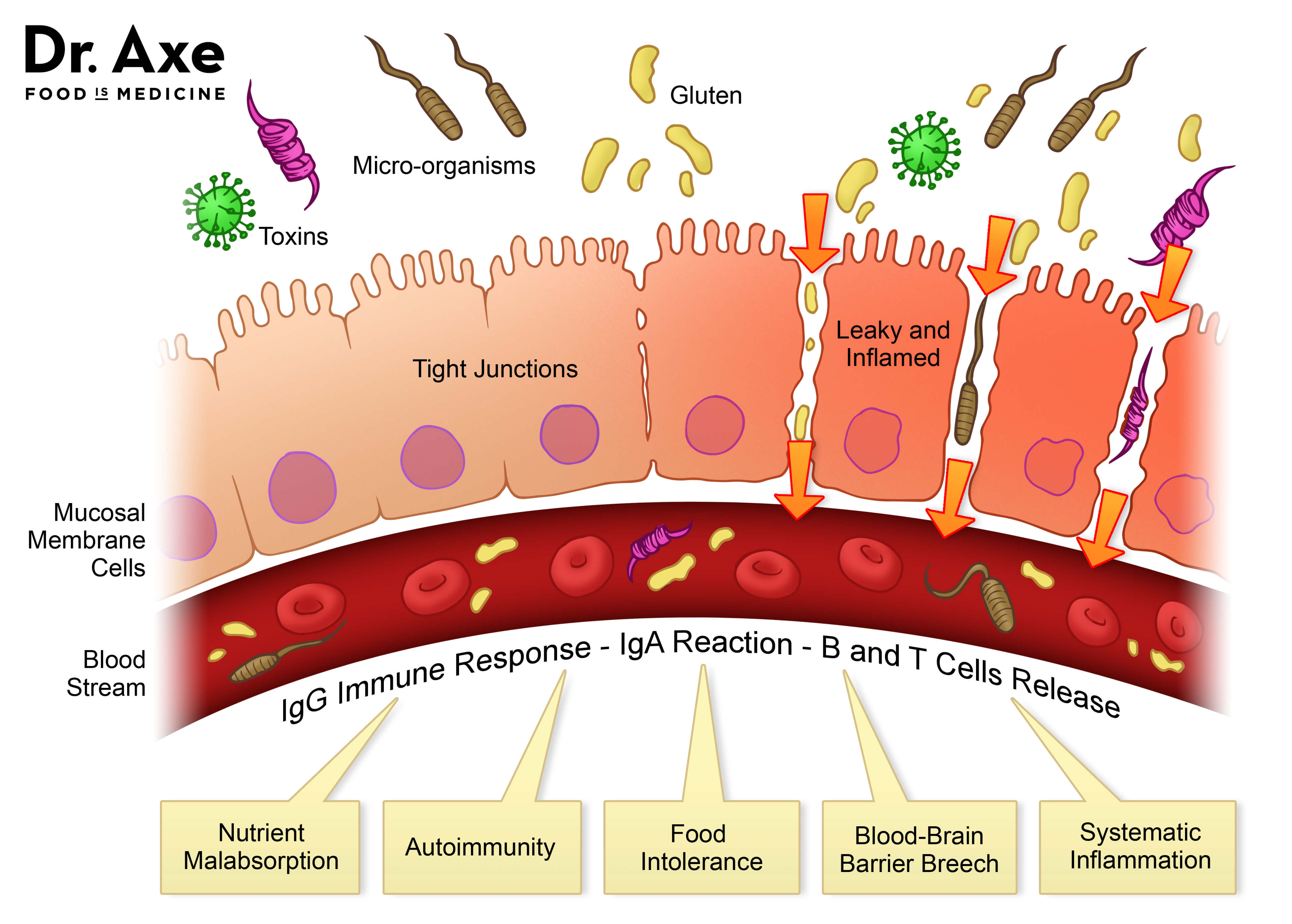
What it does to you is this: it allows TOXIC food particles, environmental chemicals, and bacterial waste to leak through your digestive tract and into your body – once inside, these foreign particles travel to different areas of your body and trigger an immune response, promoting inflammation and jump-starting the development of chronic disease.
Instead of keeping the bad stuff out, the delicate lining of your intestine is letting all the bad stuff in, and your body is breaking down from the inside out. The real name of this hidden epidemic is: Increased Intestinal Permeability, or “Leaky Gut.”
So yes, in some REALLY general ways you can think about it like your poop is leaking into your body…
But that’s not the scariest thing about it.

Untreated Leaky Gut Is Making People Sick

Here’s a short list of conditions associated with “Leaky Gut:”
  • Infertility
  • Type 1 diabetes
  • Multiple sclerosis
  • Rheumatoid arthritis
  • Lupus
  • Vitiligo
  • Narcolepsy
  • Schizophrenia
  • Autism
  • Depression
  • Huntington’s
  • Non-Hodgkin’s lymphoma
  • Hypothyroidism
  • Porphyria
In fact, now you can put just about any condition into Google along with “Intestinal Permeability” and find hours of research papers associating the two.
Here’s a few examples for those of you who are nerds like me (the link will open a Google search in a new window):
Then there’s Dr. Alessio Fasano’s groundbreaking “Leaky Gut Theory of Autoimmunity” – which suggests that the 100+ Autoimmune Diseases begin with leaky gut. With over 10,000+ published research papers on intestinal permeability, you’d think modern medicine would be talking about it more, but they’re not. If you ask the average doctor, very few have heard about it and those that have still think it’s “quackery.”

Is Leaky Gut Making You Sick?

Leaky gut is a tricky condition. It can show up in every human being in a different way…
It’s not obvious. In fact, only 70% of people with leaky gut have digestive problems. You can even find it in people that “look” healthy.
To put it simply: if you’re struggling with chronic health complaints, you’re at risk for leaky gut.
As you can see in the research above, gut health is important for just about every system in the body, and in turn it can create symptoms and problems in just about every system in the body. So, how do you know if you have it?
There are two common ways to test for Leaky Gut:
  1. The Lactulose-mannitol intestinal permeability test
  2. Cyrex Labs “Array #2”
Both tests have their benefits. For example, the Lactulose-mannitol test is commonly used as the gold standard in research settings. The Cyrex panel is possibly a better option to measure the immune response from leaky gut, but both of these tests have inherent unreliability.
It’s like Chris Kresser always says, “Will the test result change the outcome of the treatment?”
In the case of testing for leaky gut, not necessarily. Personally, I think you can save money by instead focusing on your risk factors for leaky gut, which is why we put together a leaky gut risk analysis in this free leaky gut quiz.
Of course, an interactive quiz like this can’t diagnose anything, but it can help you screen for the most important leaky gut risk factors in your life. Education is the best prevention and with this quiz, instead of knowing whether or not you have leaky gut, knowing WHAT risk factors are damaging your gut can help you take the next steps to start fixing it.

How to Stop Your Guts From Leaking

There are three really common leaky gut triggers I’ve seen over the years, when people are still struggling with chronic health problems. The first step in preventing your gut from leaking is to start turning off some of these common triggers.
I’m talking to those “tough cases,” like me, struggling with chronic conditions like: autoimmunity, asthma, diabetes, rheumatoid arthritis, depression, anxiety, irritable bowel, kidney disease, psoriasis, chronic fatigue syndrome, and heart failure…
If that’s you, there’s a good chance you’re dealing with leaky gut and these three mistakes could be making things worse for you.
Leaky Gut Trigger 1: Eating Holes in Your Gut
If you have leaky gut and you’re still struggling with chronic illness, the 80/20 rule doesn’t fly. Eat gluten on the weekends? Stop it. Occasional beer on a hot day? Stop it. The research is very clear that gluten contributes to leaky gut and when it comes to dealing with serious health problems, there’s no room for a “Cheat Day.”
I get it. I understand it has its place… for healthy people. One day you too might be able to live a happy healthy life with 80/20 healthy eating. But not today.
With leaky gut, there are undigested food particles sneaking right into your bloodstream, which causes the immune system to attack them as foreign invaders. That starts a cascade of inflammation. The autoimmune protocol removes many of the most problematic foods for people with leaky gut, things like eggs, tomatoes & eggplants, peppers including bell peppers and hot peppers, spices such as curries, paprika, and chili powder, and nuts and seeds.
For the majority of us, if we just remove certain classes of foods that are harder to digest, we can begin to reverse leaky gut and hopefully get some relief in the process.
Leaky Gut Trigger 2: Poking Holes in Your Gut with Pills
Who hasn’t reached for an Advil or Motrin in times of pain? I used to get 2-3 headaches a week and carried them around in my wallet. Then, there’s all those aches and pains that follow you home from sports and the gym – those mornings when you wake up and your body is locked up and screaming at you.
The inconvenient truth is: Nonsteroidal anti-inflammatory drugs (NSAIDS) cause your gut to leak.
The worst part is MANY doctors prescribe these meds and NEVER tell people what it’s doing to their gut.
Research shows that 50-70% of long-term NSAID users have increased leaky gut and 5 days of prescription use can cause 3x increase in permeability.
If you take NSAIDS, especially the stronger kind that are used to treat autoimmune and inflammatory conditions, you’ll be putting your gut barrier at risk. Immediately talk with your primary care doctor to explore other solutions.
Leaky Gut Trigger 3: Cortisol Rips Your Gut Apart
If we discovered that sleeping more and reducing our stress would make us live forever, I think we’d all still die. I’m sure you’re tired of hearing from Robb and everyone else telling you that you need to get 8 hours of sleep and take a breath, so let’s not beat a dead horse. But here’s the problem: not many people ACTUALLY do it. I’ve struggled with it too and it’s still a focus of mine.
But when you’re sick, it’s the same as the 80/20 diet rule… there’s no room for stress and sleep deprivation if you want to keep your poop where it belongs.
Studies like this are very clear that stress wrecks your gut and makes it leaky. You WILL NOT heal your gut if it’s experiencing chronic stress. Think about it like having a broken bone… we put it in a cast for a reason, so it stays protected and can heal.
But here’s the rub: sometimes stress isn’t what you think. Sure, stress can be emotional, like a crappy job or a bad relationship. But it can also be physical stress, like overtraining. Working out too hard can be extremely stressful on your body if you’re struggling with chronic illness.
If you’re still sick and training for that half marathon, stop for a while.
There’s another hidden stressor we’ve seen in about 80% of our consulting clients: gut infections. Those parasite and bacterial infections are a constant stressor on your body, sometimes just as powerful as guzzling gluten flavored shakes every day.
So, if you’re still sick and haven’t had a stool test yet, do it. I know, pooping in a plastic tube doesn’t sound like a party, but trust me it’s way better than letting a nasty infection live on in your body.

How to Fix Leaky Gut

Rome wasn’t built in a day… and it wasn’t destroyed in a day either.
Your gut isn’t going to heal in a day. If you’re already on a ‘real food diet,’ avoiding NSAIDs, and reducing your stress… but still suspect your poop isn’t staying where it belongs, there’s more work to do.
Like I said, many of us are “tough cases” and we need more than just a healthy diet to heal. Complex problems rarely ever have simple answers. But as humans we like simple ideas, single causes, magic pills and smoking guns. When it comes to leaky gut, there are at least 19 common triggers in the research that can be contributing to your problems.
We cover these triggers and how to fix leaky gut in a free webcast about how to solve leaky gut and reverse chronic illness.
If you need more help healing your gut, click here to register: http://solvingleakygut.com/webinar/live/
Hope to see you there,

Leaky gut - can this be destroying your health?

Leaky Gut Syndrome (LGS) is a major cause of disease and dysfunction in modern society, accounts for at least 50% of chronic complaints, as confirmed by laboratory tests.
In LGS, the epithelium on the villi of the small intestine becomes inflamed and irritated, which allows metabolic and microbial toxins of the small intestines to flood into the blood stream. This event compromises the liver, the lymphatic system, and the immune response including the endocrine system.
Some of the most incurable diseases are caused by this exact mechanism, where the body attacks its own tissues.
This is commonly called auto-immune disease.
It is often the primary cause of the following common conditions: asthma, food allergies, chronic sinusitis, eczema, urticaria, migraine, irritable bowel, fungal disorders, fibromyalgia, and inflammatory joint disorders including rheumatoid arthritis are just a few of the diseases that can originate with leaky gut. It also contributes to PMS, uterine fibroid, and breast fibroid.
Leaky Gut Syndrome is often the real basis for chronic fatigue syndrome and pediatric immune deficiencies.
Leaky Gut Syndrome is reaching epidemic proportions within the population. Historically, the only way bowel toxins entered the blood stream was through trauma, for example by sword or spear.
This quickly led to septicemia that might be treatable, or more probably, ended in death. Outside of trauma, the body maintained a wonderfully effective selective barrier in the small intestine, one that allowed nutrients to enter, but kept out metabolic wastes and microbial toxins rampant in the intestines.
What Modern Event Allowed Such A Break-Down?
Primarily it has been antibiotics, secondarily non-steroidal anti-inflammatory drugs (NSAIDs, Motrin, Aleve and Advil) with NSAIDs being the major cause of leaky gut because they so viciously inflame the intestinal lining, causing a widening of the spaces between cells and sometimes hemorrhaging.
Other common causes are chemotherapy, ingested alcohol, inhaled formaldehyde from a new carpet, food allergens, stress emotions, lactase deficiency, gluten/gliaden allergy, abnormal gut flora (bacteria, parasites, yeasts).
The first antibiotic, penicillin, did not enter mainstream health care until 1939. Since the 50s and 60s, antibiotic use has been frantically prescribed for every infection and inflammation, particularly pediatric ear infection, bronchitis, and sore throat.
It is sadly ironic that most of these infections are viral in nature, and not only are the antibiotics damaging, but they are ultimately unnecessary. Antibiotics should be considered a hospitalization level medicine, when bacteria have entered the blood, bone, or organ.
Antibiotics Destroy Beneficial Bacteria
Antibiotics create their damage in two ways. The first is by destroying beneficial bacteria. The small intestine and large intestine host over five hundred different kinds of beneficial bacteria. These bacteria perform hundreds of functions required for healthy metabolism and immune response.
Through enzyme secretions, bacteria transform metabolic and microbial wastes before they are discharged by the body. These wastes include cellular debris, hormones, chemical wastes, bile, pus accumulations, viral toxins, bacterial toxins, etc.
For example, the body creates bile not only as a lubricant to flush wastes out of the liver, but also, to detoxify many of the poisons accumulating in the liver. Bile however is extremely damaging to large intestine epithelium.
When bile enters the small intestine via the common bile duct, beneficial bacteria break the bile salts down into a less toxic compound, making it non-dangerous by the time it reaches the large intestine.
When you take antibiotics you destroy these bacteria and the bile salts freely enter and damage the large intestine. I believe this contributes significantly to the high incidence of colon cancer plaguing today's society.
Beneficial bacteria also break down hormone secretions that are discharged from the liver to the small intestine. If you lack the bacteria to break down estrogen and the intestinal permeability has been altered, the patient is now reabsorbing estrogens in their original state.
The body will deposit these in estrogen sensitive areas such as the breast, uterus, or ovaries, contributing, if not causing, fibroids and tumors. The same scenario is responsible for premenstrual syndrome as well.
Healthy mucosa allows nutrients to pass the barrier while blocking the entry of toxins.


With leaky gut, the barrier is dysfunctional, blocking nutrients at the damaged villi while permitting toxins to enter the blood stream.

Antibiotics Promote the Growth of Fungus
The second way antibiotics damage the intestines is by fostering the growth of Candida albicans and other pathogenic fungi and yeast. This event, more than any other, precipitates Leaky Gut Syndrome. In a healthy situation the small intestine epithelium maintains tight cell junctions, which contributes to the physical barrier involved in intestinal absorption. In addition to the physical barrier, there is an important chemical barrier within the mucus that contains immune agents, which neutralize any toxin that comes in contact.
Candida exudes an aldehyde secretion, which causes small intestine epithelial cells to shrink. This allows intestinal toxins to infiltrate through the epithelium and into the blood. The secondary barrier - immune agents in the epithelial mucus - remain the sole agent for neutralization.
Eventually, the immune system becomes exhausted rising to this challenge.
The damage done by Candida is to the intestinal epithelial barrier, allowing the absorption of serious toxic agents and chemicals, which then enter the blood and affect numerous organs, including the brain.
Food Allergies: The Complicating Factor
When the integrity of the intestinal barrier has been compromised, intestinal toxins are not the only pathogens to be absorbed. The barrier, in a healthy state, selectively allows digested nutrients to enter the small intestine when all is ready.
With leaky gut, nutrients can be absorbed before they are fully digested. The body's immune response, through specific antigen-antibody markers, will tag some of these foods as foreign irritants.
Every time that particular food touches the epithelia, an inflammatory immune response is mounted which further damages the epithelial lining. What started as a Candida irritation with shrinking of the cells has now been complicated with active inflammation every time a particular food is eaten.
Food allergies are a common secondary problem to Candida, and if present, will maintain the leaky gut continuously, even if the Candida is eradicated.
The most common food allergies are dairy, eggs, gluten grains (wheat, oats, rye), corn, beans (especially soy), and nuts. There are seldom real allergies to meat, rice, millet, vegetables, or fruit, although an allergy to garlic is not uncommon.
We have to distinguish a real allergy - that which causes a histamine inflammatory reaction at the site of the small intestine (SI) epithelia - from sensitivity, which may cause uncomfortable symptoms, but seldom is damaging.
Sensitivities are usually due to low stomach acid or pancreatic enzyme secretion, that is, poor digestion.
In the healing of the intestinal lining, exposure to a significant allergy can sabotage the treatment. For example, one may be very good at restricting wheat, dairy and eggs, but then compromises the treatment by taking garlic tablets.
The Role of the Liver and Lymphatic System
The metabolic and microbial toxins that enter the bloodstream during leaky gut end up in the liver, which has the job of detoxifying and discharging the poisons. Under normal conditions, the liver is taxed just by processing the daily metabolic wastes created by cell and organ activity.
Imagine the further load created by dumping serious intestinal toxins on a regular basis. There is a point when the liver becomes saturated; it cannot further detoxify the poisons, and they are returned to the blood circulation.
The blood has sophisticated mechanisms for preserving chemical homeostasis, and will diffuse as much of the toxic chemicals and physical debris into the interstitial fluids as is possible. From here the lymphatic system will attempt to collect and neutralize the toxins, but unable to send the toxins to the liver, the body essentially becomes toxic.
Microbes grow and develop, hence there can be chronic lymphatic swelling, especially in children. Over a period of time, toxins will be forced into distal connective tissue around muscles and joints, causing fibromyalgia, or into the cells, which can precipitate genetic mutation and ultimately cancer.
Stress to the Immune and Endocrine Systems
The immune system is stressed in three major ways. First is at the site of the intestinal mucosa. As toxins and food antigens brush up against the mucosa, the immune system mobilizes to neutralize the toxins. Normally, much of this work would have been done by beneficial bacteria, which have been destroyed by antibiotics.
For toxins that make it to the mucosa, the body will tag them with a chemical secretory IgA (SIgA), which attracts macrophages and other white blood cells to consume the toxins. It is not long before this immune response is overwhelmed and depleted.
This can be measured directly with a stool or saliva test for the intestinal SIgA level.
The second stressor happens in the liver and lymphatic system, which, also overwhelmed, puts demands on the immune system. The third stressor is a consequence: as the immune response diminishes, more microbes (viruses, bacteria, and fungi) multiply, allowing for a chronic state of infection.
The most important organ in the production of immune agents seems to be the adrenal gland, and Leaky Gut Syndrome slowly diminishes adrenal function. In the early and middle stages, there is actually an adrenal excess, as measured by excess cortisol output. Eventually, cortisol levels drop, and one now has exhaustion.
The Role of the Digestive Tract
Candida flourishes when the terrain in the intestines favors it. Just killing Candida is usually not successful, because the chemistry and vitality of the terrain has not been normalized, and Candida returns.
Antibiotics are the original cause of the change on the terrain. By killing acid forming bacteria (Lactobacillus bacteria produce lactic acid, for example), the environment becomes alkaline, which promotes Candida.
Antibiotics and chronic illness reduce stomach acid production, contributing to the alkalinity, and also allowing poor digestive absorption. In fact, many people with LGS are malnourished and will lose excessive weight, no matter how healthy the food is that they eat.
The idea that lactobacillus supplementation is all that is required after antibiotics is somewhat delusional; in fact most of the lactobacillus from supplementation does not survive in the intestine, due to poor terrain. Just to make sure you have a full understanding of the seriousness of Leaky Gut, the following is a summary:
  • When the gut is inflamed it does not secrete digestive enzymes to digest foods properly or absorb nutrients and foods properly. The result can indigestion with gas and bloating, called irritable bowel syndrome (IBS).
  • When large food particles are absorbed, food allergies and new symptoms are created (e.g., IBS, gallbladder disease, arthritis or fibromyalgia).
  • When the gut is inflamed, carrier proteins are damaged, so malabsorption and nutrient deficiencies occur.These deficiencies slow down the ability of the gut to heal and can cause any number of other symptoms (e.g., magnesium deficiency induced angina or gut spasms, chromium deficiency induced high cholesterol or sugar cravings, zinc deficiency induced prostatitis or lack acid formation)
  • When the detoxification pathways that line the gut are compromised, chemical sensitivity can arise. Furthermore, the leakage of toxins overburderns the liver so that the body is less to handle everyday chemicals in foods, water and air.

    Now many foods can cause symptoms that never did before, because the gut's detoxification (liver) system is unable to cope with the hundreds of chemical additives, dyes, colorings, preservatives and pesticides common in our foods.

  • When the gut lining is inflamed, the protective coating of the gut antibodies can be lost. With loss of the secretory immunoglobulin A (SigA), the body becomes more vulnerable to infections in the intestines from bacteria, viruses, parasites and yeast and they become resistant to treatment.
  • Ironically, the more resistant the bugs become, the more-high powered antibiotics doctor prescribe, resulting in more overgrowth of resistant fungi (Candida). As the unwanted bugs grow, the gut gets more inflamed and leaky initiating a vicious cycle of worsening condition and major cause of so many incurable diseases.
  • When the intestinal lining is inflamed, bacteria and yeast can translocate. In other words, they can pass from the gut cavity into the blood stream and set up infection anywhere else in the body, including the brain. This is often the mysterious and undiagnosed cause of infections in the teeth and gums, bones, prostate, bladder and sinuses.
  • With the formation of antibodies, the food antigens that leak across the gut wall can sometimes resemble the natural antigens on tissues. Protective antibodies will then attack the antigens, as they should and the tissues, causing further damage.It is the very reason why auto-immune diseases begin. Lupus, multiple sclerosis, rheumatoid arthritis, myocarditis, iritis and thyroiditis are some of the members of this ever-growing category of mysteriously incurable auto-immune diseases.

Leaky gut syndrome

Leaky gut syndrome is a rapidly growing condition that millions of people are struggling with and don’t even know it. From the sound of it, you might think leaky gut syndrome only affects the digestive system, but in reality it can lead to many other health conditions.
According to research, the cause of your food allergies, low energy, joint pain, thyroid disease, autoimmune conditions and slow metabolism could be leaky gut symptoms progression.
In this article, I will outline specifically how you can heal leaky gut syndrome and break through the health problems you’ve been struggling with.

What Is Leaky Gut Syndrome?

Think of the lining of your digestive tract like a net with extremely small holes in it that only allow specific substances to pass through. Your gut lining works as a barrier keeping out bigger particles that can damage your system.
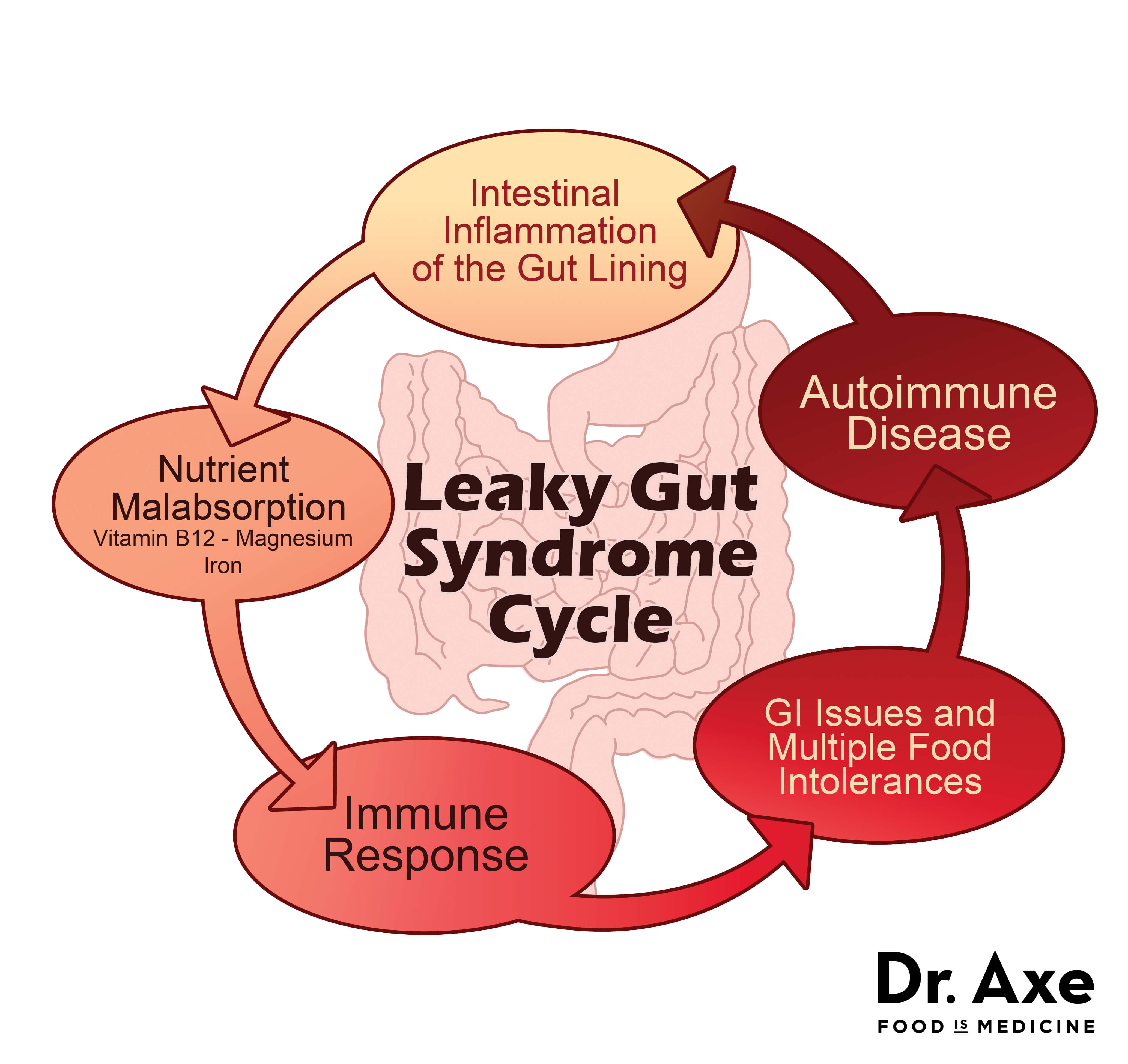
leaky gut cycle chart
When someone has leaky gut (often referred to as increased intestinal permeability), the “net” in your digestive tract gets damaged, which causes even bigger holes to develop in your net, so things that normally can’t pass through, are now be able to.
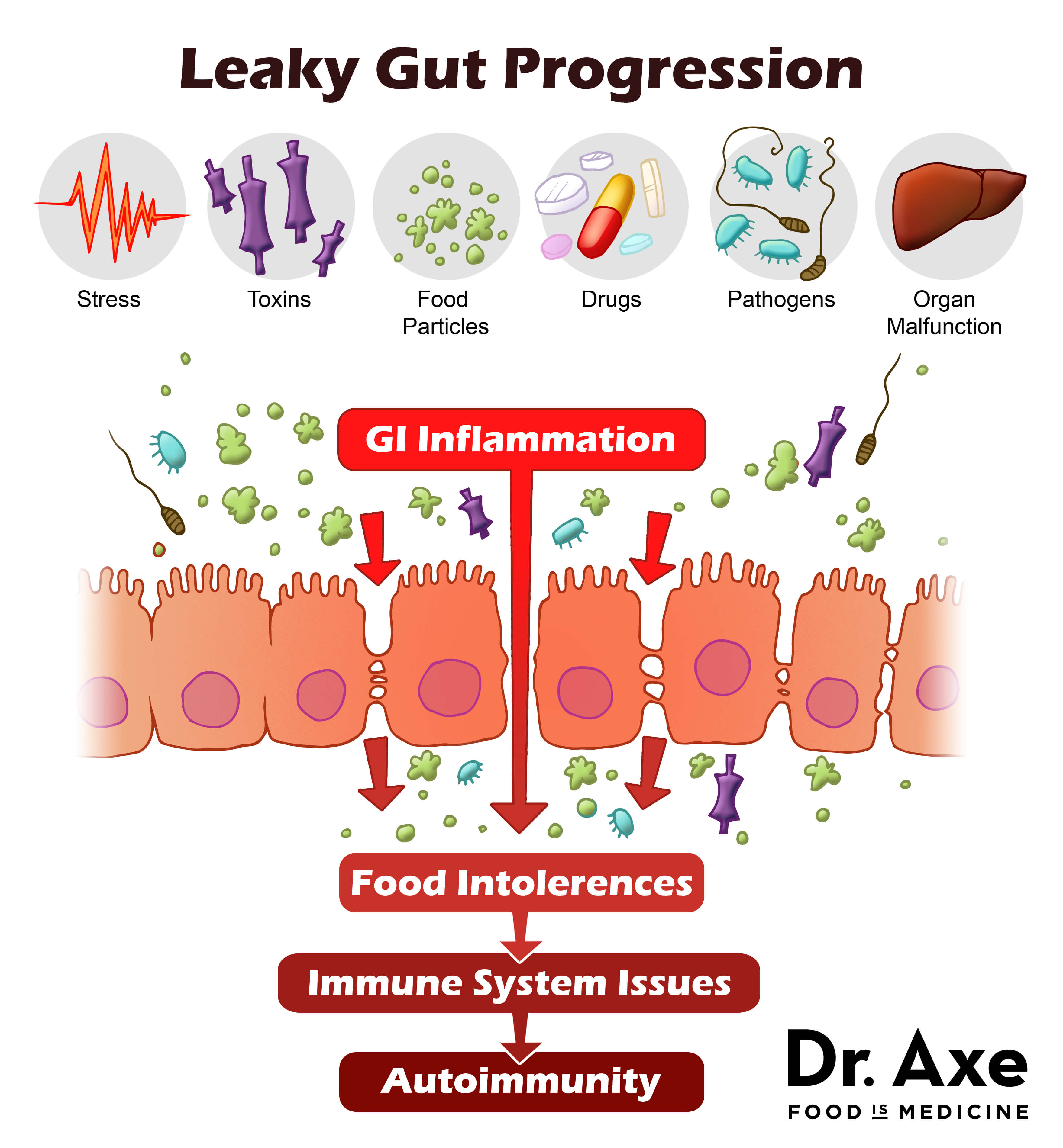
Some of the things that can now pass through include proteins like gluten, bad bacteria and undigested foods particles. Toxic waste can also leak from the inside of your intestinal wall into your bloodstream causing an immune reaction.

leaky gut progression chart


Leaky Gut Symptoms and Progression

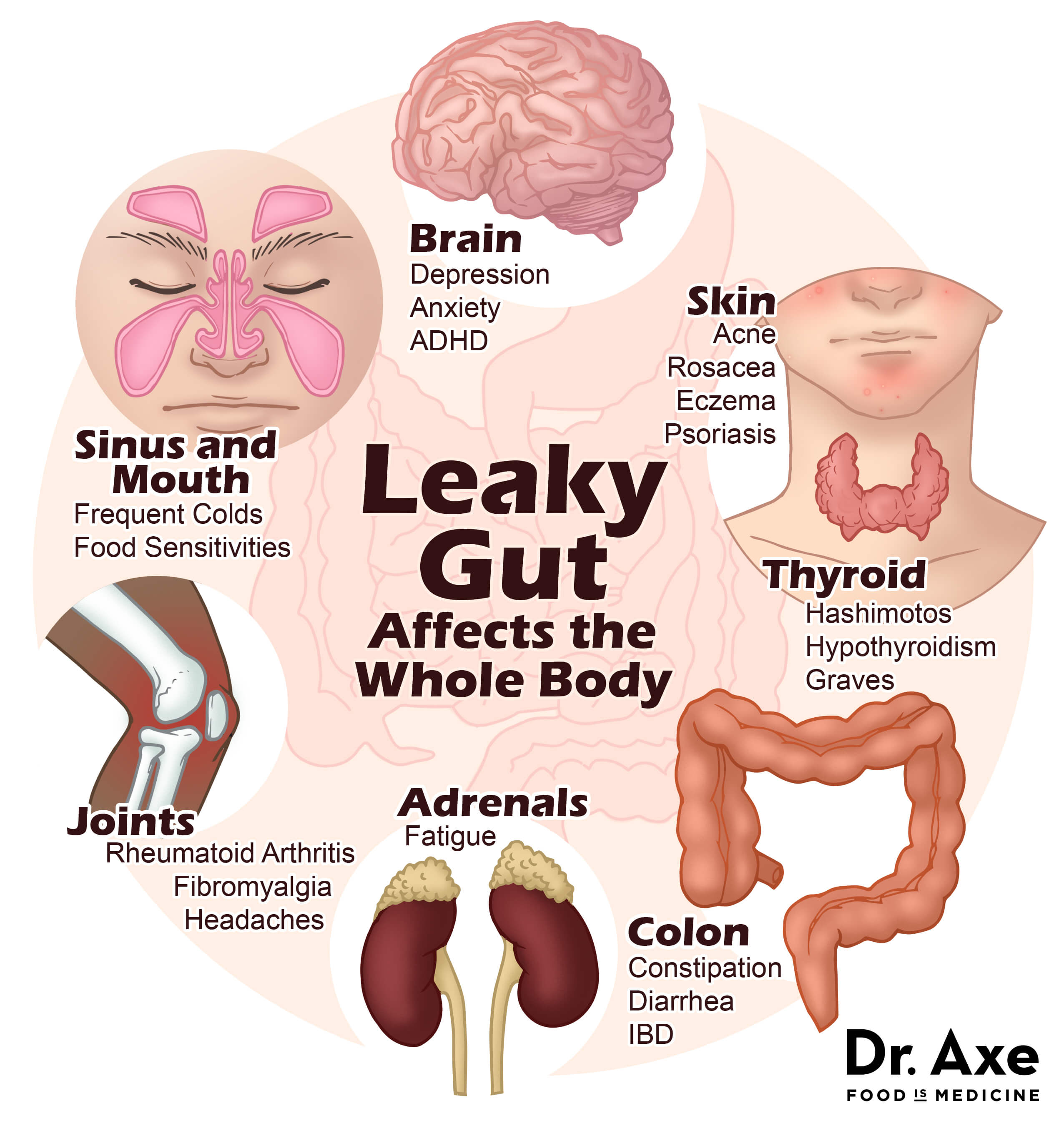
This leads to inflammation throughout your system and can cause symptoms, such as:
  • Bloating
  • Food sensitivities
  • Thyroid conditions
  • Fatigue
  • Joint pain
  • Headaches
  • Skin issues like rosacea and acne
  • Digestive problems
  • Weight gain
  • Syndrome X
leaky gut syndrome symptoms diagram

One of the biggest warning signs that you may have leaky gut — I recommend that you take a leaky gut test — can be that you’re experiencing multiple food sensitivities. Partially digested protein and fat can seep through your intestinal lining, making their way into your bloodstream and causing an allergic response.
This allergic response doesn’t mean you’ll break out in a rash all over your body, but it can lead to one of the symptoms I’ve mentioned above. If left un-repaired, it can lead to more severe health issues like inflammatory bowel disease, IBS, arthritis, eczema, psoriasis, depression, anxiety, migraine headaches, muscle pain and chronic fatigue.
According to the Journal of Diabetes, there is a strong body of evidence pointing to leaky gut syndrome as a major cause of autoimmune diseases, including Type 1 Diabetes.
Another problem with leaky gut is that it can cause malabsorption of vital minerals and nutrients including zinciron and vitamin B12.

What Causes Leaky Gut?

There are four main causes of leaky gut which include:
  • Poor diet
  • Chronic stress
  • Toxin overload
  • Bacterial imbalance
    The most common components of food that can damage your intestinal lining are the proteins found in un-sprouted grains, sugar, GMO’s and conventional dairy.The problem with un-sprouted grains is that they contain large amounts of antinutrients or nutrient blockers called phytates and lectins. Lectins are sugar-binding proteins that act as a natural defense system for plants that protect them from outside invaders like mold and parasites.This is good news for plants but bad news for your body. Your digestive lining is covered with sugar-containing cells that help break down your food. Lectins gravitate toward this area and when they attach to your digestive lining, it damages your gut and causes inflammation.Causes of leaky gut diagram


    Lectins and Foods that Cause Leaky Gut

    Lectins are found in many foods, not just grains, and consumed in smaller amounts, your body will do just fine with them. But foods that have large amounts of lectins are more problematic. Some of the lectins and foods that cause leaky gut include wheat, rice, spelt and soy.
    Sprouting and fermenting grains reduces phytates and lectins, making these foods easier to digest. GMO and hybridized foods tend to be the highest in lectins since they have been modified to fight off bugs. Also, gluten-containing grains will damage your intestinal lining and cause leaky gut syndrome.
    So while you are working to heal leaky gut and cure autoimmune disease, stay away from all grains, especially ones that contain gluten like wheat. Once your gut is healthy, you can add back in grains that have been fermented and sprouted to eat occasionally.
    Conventional cows milk is another food that can cause leaky gut. The component of dairy that will harm your gut is the protein A1 casein. Also, the pasteurization process will destroy vital enzymes, making sugars like lactose very difficult to digest. For this reason, I only recommend buying dairy that is raw and from A2 cows, goats, sheep, or buffalo.
    Sugar is another substance that will wreak havoc on your digestive system. Sugar will feed the growth of yeast, candida and bad bacteria, which will further damage your gut. Bad bacteria actually creates toxins called exotoxins that damage healthy cells and can eat a hole into your intestinal wall.

    Other Factors that Cause Leaky Gut

    Chronic stress: It weakens your immune system over time, which cripples your ability to fight off foreign invaders like bad bacteria and viruses, leading to inflammation and leaky gut. To reduce stress, I recommend getting more sleep, schedule fun into your week, rest one day a week, meditate on scripture, and hang out with positive, uplifting people.
    Toxins: We come into contact with over 80,000 chemicals and toxins every single year, but the worst offenders for causing leaky gut includeantibiotics, pesticides, tap water, aspirin and NSAIDS. I recommend buying a high-quality water filter to eliminate chlorine and fluoride and look to natural plant-based herbs to reduce inflammation in your body.
    Dysbiosis: Finally, one of the leading causes of leaky gut is a condition called dysbiosis, which means an imbalance between beneficial and harmful species of bacteria in your gut. For many, this imbalance can begin at birth because of a C-section or because the mother didn’t have a healthy gut herself. The overuse of prescription antibiotic drugs, tap water with chlorine and fluoride, and the lack of probiotic-rich foods contribute to this imbalance of good and bad bacteria.

    Leaky Gut and the Brain

    headache, migraine, physical health and the brain
    Another topic I want to quickly discuss is how leaky gut can affect the brain. If you’ve ever seen a child with autism experience a mood swing, this can be caused by intestinal permeability. Gluten-free and casein-free diets have proven effective for many children with autism because these proteins can leak through the gut and then recirculate and act on the brain similarly to an opioid drug.
    This is also why leaky gut syndrome has been linked to other psychological disorders such as anxiety, depression and bipolar disorder. So, in many cases, if you can heal the gut, you can heal the brain.
    A 2017 study perfectly illustrates this correlation. Researchers studied 44 adults with irritable bowel syndrome and mild to moderate anxiety or depression. Half of the group took a probiotic (specifically, the Bifidobacterium longum NCC3001) and the other was given a placebo. Researchers found that twice as many patients saw improvements from depression when they took a probiotic as compared to the other patients who took a placebo. (1)

    The 4-Step Plan to Heal Leaky Gut

    The good news is there’s a solution to successfully healing leaky gut. There is a four-step process that includes:
    1. REMOVE foods and factors that damage the gut

    2. REPLACE with healing foods

    3. REPAIR with specific supplements

    4. REBALANCE with probiotics

    Here’s the protocol I have used with my patients over the years that has helped them see incredible results.
    Remember, the top foods to remove that cause leaky gut are sugar, grains, conventional meat, conventional dairy and GMO foods. The top toxic exposures to eliminate are tap water, pesticides, NSAIDS and antibiotics — but remember to always consult with your physician if he or she has prescribed these for you.

    The Leaky Gut Diet and 5 Healing Foods

    If you suffer from leaky gut syndrome, you’re overdue to consider adopting a leaky gut diet. Here are the five foods and supplements to heal your leaky gut.
    #1 Bone Broth – broth contains collagen and the amino acids proline and glycine that can help heal your damaged cell walls. I’ve had many of my patients do a bone broth fast for three days to help heal leaky gut and cure autoimmune disease.
    #2 Raw Cultured Dairy – contains both probiotics and SCFA’s that can help heal the gut.  Pastured kefir, yogurt, amasai, butter and raw cheese are some of the best.
    #3 Fermented Vegetables – contain organic acids that balance intestinal pH and probiotics to support the gut. Sauerkraut, kimchi and kvass are excellent sources.
    #4 Coconut Products – all coconut products are especially good for your gut. The MCFA’s in coconut are easier to digest than other fats so they work well for leaky gut. Also, coconut kefir contains probiotics that support your digestive system.
    #5 Sprouted Seeds – chia seeds, flaxseeds and hemp seeds that have been sprouted are great sources of fiber that can help support the growth of beneficial bacteria. But if you have severe leaky gut, you may need to start out getting your fiber from steamed vegetables and fruit.
    Also, consuming foods that have omega-3 fats are beneficial — anti-inflammatory foods like grass-fed beef, lamb and wild-caught fish like salmon.

Signs and symptoms of a leaky gut

The GI condition commonly known as “leaky gut syndrome” has been gaining a lot of attention lately for several reasons:
    1. A growing body of research has linked leaky gut to a number of “seemingly unrelated” health concerns and chronic diseases.
    2. As more Americans are affected by poor diet choices, chronic stress, toxic overload and bacterial imbalance it appears that the prevalence of leaky gut has reached epidemic proportions.
    3. The medical profession is just now agreeing this condition even exists!
This last point is especially shocking to me because “intestinal permeability” has been discussed in the medical literature for over 100 years!

Leaky Gut Symptoms List

You would be surprised at how many health conditions are a result of having leaky gut. The father of modern medicine Hippocrates said “All disease begins in the Gut” and research is now proven he was absolutely right.
Essentially, leaky gut syndrome (“intestinal hyperpermeability”) is condition that happens as a consequence of intestinal tight junction malfunction.
These “tight junctions” are the gateway between your intestines and what is allowed to pass into the blood stream.  Your tight junctions keep things out like toxinsmicrobes and undigested food particles.
But having leaky gut is essentially like having the gates broken from your intestines to your blood stream so many of these particles that should never have been able to enter have now gotten through.  When this happens it causes inflammation throughout your body leading to a variety of diseases.
According to a study published in a Norwegian medical journal this process “is implicated in the onset of disease include several acute and chronic pediatric conditions that are likely to have their origin during infancy” and has been linked to:
  • Allergies
  • Asthma
  • Autism
  • Autoimmune disease
  • Eczema and psoriasis
  • Inflammatory bowel disease
  • Rheumatoid arthritis
  • Systemic inflammatory response syndrome (SIRS)
  • Type 1 diabetes
So how do you know if you have a leaky gut? Keep a watch out for these 7 leaky gut symptoms.

The 7 Signs You Have Leaky Gut

1. Food Sensitivities – People affected by food sensitivities oftentimes find that leaky gut is to blame. Because of the onslaught of toxins that enter the bloodstream, the immune systems of people with intestinal hyperpermeability are on overdrive mass-producing various antibodies, which makes their bodies more susceptible to antigens in certain foods (especially gluten and dairy).
2. Inflammatory Bowel Disease – Researchers from Hungary have recently uncovered that elevated gut permeability is oftentimes localized to the colon in people suffering from irritable bowel syndrome and ulcerative colitis.
Another study suggests that, for Crohn’s disease patients, leaky guy is prevalent in a majority cases and even up to 10% – 20% of their “clinically healthy relatives,” which suggests a potential genetic component. Zinc supplementation has been found to be quite effective at tightening up the intestinal tight junctions in these cases.
3. Autoimmune Disease – The key to understanding how leaky gut can cause an autoimmune disease is through the research done on a protein known as “zonulin.” According to a 2011 article published in the journalPhysiologic Reviews,
Zonulin is the only physiological modulator of intercellular tight junctions described so far that is involved in trafficking of macromolecules and, therefore, in tolerance/immune response balance. When the finely tuned zonulin pathway is deregulated in genetically susceptible individuals, both intestinal and extraintestinal autoimmune, inflammatory, and neoplastic disorders can occur.”
Eating gluten can oftentimes trigger this dangerous cascade. University of Maryland, School of Medicine researchers have uncovered that gluten “activates zonulin signaling irrespective of the genetic expression of autoimmunity, leading to increased intestinal permeability to macromolecules.”
4. Thyroid Problems – One of the autoimmune diseases that leaky gut syndrome may directly affect is Hashimoto’s disease. Also known as “chronic thyroiditis,” this disorder can lead to hypothyroidism, impaired metabolism, fatigue, depression, weight gain, and a host of other concerns.
5. Malabsorption – Various nutritional deficiencies result from leaky gut include vitamin B12, magnesium and key enzymes that help digest food. It is recommended that people with leaky gut supplement with a whole foods based multi-vitamin and live probiotic to not only help digest the food that they eat, but to make sure that they get the vital nutrition that they need.
6. Inflammatory Skin Conditions – First described over 70 years ago, the gut-skin connection theory has described how intestinal hyper-permeability can cause a slew of skin conditions; particularly acne and psoriasis.  Generally, dangerous creams and drugs are prescribed for these skin disorders, yet they can oftentimes be fixed by healing the gut!
7. Mood Issues and Autism – According to a study published in the journal Neuro Endocrinology Letters, leaky gut has been shown to cause various neurocognitive disorders. For example, the inflammatory response characteristic of intestinal hyperpermeability triggers the release of pro-inflammatory cytokines and other chemicals that induce depression.
Regarding autism, a study was just published this past January in the journal Nutritional Neuroscience describing the “vicious circle between immune system impairment and increasing dysbiosis that leads to leaky gut and neurochemical compounds and/or neurotoxic xenobiotics production and absorption.” The idea is that the “metabolic pathways impaired in autistic children can be affected by genetic alterations or by environment-xenobiotics interference.”

What the Medical Community Has to Say About Leaky Gut Syndrome

WebMD refers to leaky gut as “something of a medical mystery.” No wonder, because it isn’t even taught as a diagnosis in medical school!
“From an MD’s standpoint, it’s a very gray area,” says gastroenterologist Donald Kirby, MD – Director of the Center for Human Nutrition at the Cleveland Clinic – “Physicians don’t know enough about the gut, which is our biggest immune system organ.”
And to make matters worse, Government agencies have also contributed to the confusion. According to the United Kingdom’s National Health Service (NHS),
There is little evidence to support this theory, and no evidence that so-called “treatments” for “leaky gut syndrome”, such as nutritional supplements and a gluten-free diet, have any beneficial effect for most of the conditions they are claimed to help.
Yet, not everyone agrees. In the words of Linda A. Lee, MD – gastroenterologist and Director of the Johns Hopkins Integrative Medicine and Digestive Center – “We don’t know a lot but we know that it exists.”  Nevertheless, “In the absence of evidence, we don’t know what it means or what therapies can directly address it.”
This is an important to point to keep in mind.
In the medical world, if there are no standard diagnostic criteria for a disease, there are no specific therapies or treatments. Moreover, if there are no “proven” treatment models, then most MD’s are left with no other choice than to travel along the “safe path” and prescribe drugs; which, in this case, are oftentimes Prevacid or generic ant-acids like Tums.
Because most of the medical community denies its very existence, it’s critical that you understand what leaky gut is and what to look out for in case you or a loved-one is affected by it. This way, even though your doctor may not pick up on the clues, you’ll be armed with the knowledge that you need to make the necessary lifestyle and dietary changes.

How Do You Repair Leaky Gut?

If you think that you might have leaky gut after reading this article, then I have two very important things to tell you:
  1. You don’t have to suffer any more because there is hope!
  2. If you follow these 4 steps to heal leaky gut, you can put your body in the position where it can very well heal itself.
I’m not saying that it’s a cure-all, but these 4 steps to heal leaky gut have helped countless people over years and I believe that it can help YOU as well!

From the sound of it, you might think leaky gut only affects the digestive system, but in reality it can affect more.