The idea of eating dirt isn’t new. It’s been around a long time, dating back more than 2,500 years ago.
Hunters and gatherers couldn’t avoid it, and regardless of culture, there’s evidence people have included traces of dirt in their diets throughout the ages.
Did they know something that we’ve forgotten?
Think about when you were growing up. I imagine many of you, much like myself, grew up in families where having a vegetable or flower garden was commonplace. You likely helped out by pulling weeds and planting seeds – with your bare hands.
Even if you didn’t have a family garden, as a kid, you probably played outdoors for hours each day and got more than a little dirty.

Back then, people didn’t worry so much about dirt – it was part of life. You got dirty and then you cleaned up.
It wasn’t until years later that Americans became obsessed with cleanliness. We stopped touching dirt – and we made sure we didn’t eat it.
Today, it’s no longer “normal” to get your hands dirty. Designer garden tools and thick, plush gloves just about guarantee that you won’t soil your hands.
And it’s not just adults... These days kids spend far more time in front of computers than they do digging in the ground.
If you do happen to get dirty – or end up with dirt-covered food, there’s no shortage of fancy vegetable scrubbers, antibacterial soaps and sanitizing hand gels to remove grime and bacteria.
While all this may sound like a good thing for your health, this obsession with sanitation and cleanliness has forced us to take a step backwards with our gut health.
An Inside Look at Modern-Day Hunters and Gatherers Reveals Surprising Truths About Microbiome Health

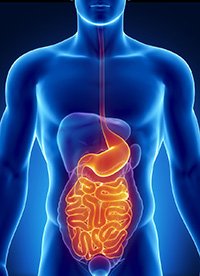
Your microbiome is your unique collection of intestinal bacteria – the trillions of gut bacteria that influence your immune health, mood, behavior, digestion, metabolism and weight.
Since there’s little doubt that modern-day living affects your gut health, how would your microbiome be different if you lived completely isolated from modern medicine, food and culture?
To answer that question, a group of researchers and a Venezuelan government medical team set out by helicopter to a remote Yanomami tribe living on the border between Venezuela and Brazil.
Members of this tribe have lived as hunter-gatherers for more than 11,000 years in this region of the Amazon rain forest. This outside visit marked their first contact ever with modern society.
After taking samples from 12 of the villagers' fecal matter, the research team used DNA analysis to determine which species of bacteria thrived in the hunter-gatherers' guts.
Their first surprise was the astonishing number of different species present in the Yanomami's microbiome. The tribe had about 50 percent more ecological diversity in their gut than the average American. Obviously, there are multiple factors at play in this remote region...
- The population’s high-fiber indigenous diet differed greatly from the standard American diet
- They had never been exposed to antibiotics
- They had far lower exposure to electrical fields and EMF
- The sanitation and hygiene practices so prevalent in the Western world were absent here
While sanitation and hygiene were indeed important variables, I believe other factors played a role as well, especially diet.
There are many little known factors that affect your microbiome on a daily basis that can alter its pH, impact your absorption of nutrients as well as inflammatory response, immune function, digestion, and your gut’s ability to fight invaders.
How Many of These Nine Factors Are Working Right Now to Wreck Your Gut Health?
The health of your microbiome depends on having the proper balance between beneficial bacteria and potentially pathogenic bacteria, as well as the health and integrity of your gut lining.
When your microbiome falls out of balance or loses its diversity, or your gut lining becomes compromised, it can impact many processes in your body and your risk of chronic disease.
Here are nine of the biggest factors:
- Antibiotics
- Heartburn pills
- Fluoridated and chlorinated water
- Processed and refined sugars
- Processed, refined foods
- Bioengineered foods, pesticides and other agricultural chemicals
- NSAIDs (Nonsteroidal anti-inflammatory drugs)
- Stress
- Pollution

Most antibiotics can alter your gut microbial balance. Whether you’re taking antibiotics right now, just finished a course last week or took them years ago, the well-being of your microbiome may be compromised.
Included are the antibiotics hidden in food, especially factory-farmed meats and conventional dairy products.
A British study on twins suggests that proton pump inhibitors (PPIs) taken for heartburn can alter your gut flora. An additional 2015 study confirms differences observed in PPI users versus non-users are associated with changes towards a less healthy gut microbiome.
The chlorine in chlorinated tap water can potentially destroy both the bad bacteria and the good, friendly bacteria in your gut. The same is true for fluoride.
The chlorine in chlorinated tap water can potentially destroy both the bad bacteria and the good, friendly bacteria in One of the fastest ways to create an imbalance – and feed the bad guys – is to eat too much sugar and non-fiber carbohydrates. Few things fertilize and speed up the growth of pathogenic microbes faster than sugars!
Processed foods, including pasteurized milk, can harm your good bacteria. Eating the typical Western diet of processed foods produces a profoundly different microbiome than one high in vegetables and fiber.
Certain genetically engineered foods and even some non-GMO foods that are not organic, like wheat, can contain glyphosate, an agricultural herbicide that’s been shown to target and destroy good gut bacteria. Conventionally raised animals are typically fed bioengineered grains, such as GE corn.
Certain popular over-the-counter painkillers can damage cell membranes and your gut lining, and harm healthy gut flora.
Stress affects your gut in a number of ways including hindering the production of enzymes and absorption of nutrients, and reducing oxygen levels and blood flow. Plus, it can impact the functioning of your entire GI tract, including your gut flora.
Airborne particulate matter from car exhaust, home furnaces, and industry, as well as livestock emissions travel from your lungs to your intestines, and can alter your gut bacteria and your intestinal barrier. It can contaminate the food and water supply, leading to further injury of your gut bacteria.
Now that you know what can destroy or upset the balance of your microbiome and the integrity of your gut lining, let’s look at what you can do to help restore your gut health to support your health and well-being.
The Two “R’s” – and Why Your Microbiome Needs Them
A healthy microbiome contains two different types of bacteria:
- Bacteria from Mom (and Dad to a lesser degree) during the birthing process, breast-feeding and close interactions with friend and family shortly after birth. These include the commonly used probiotic species lactobacillus and Bifidobacterium.
- Transient organisms from the natural environment. These microbes are key “reconditioning” probiotics. They are introduced into your microbiome through environmental exposure in the form of spore organisms.

These organisms are essential for your body’s functioning and control its many biochemical reactions. The typical western lifestyle causes significant harm to these bacteria, which can lead to dysbiosis, or an imbalance of microbes.
These important bacteria perform critical housekeeping functions in your gut. They’re sometimes referred to as the “gut police” because they take care of the condition of your gut and support the growth of good bacteria.
Think of these two categories of bacteria as “reconditioning” and “reseeding.” Environmental bacterial spores condition your gut and ready it for reseeding by beneficial bacteria from fermented vegetables or probiotic supplements.
We’ve talked about how everyday living conditions and lifestyle can easily disrupt your delicate microbial balance and gut lining integrity.
And we’ve explored how by avoiding dirt and focusing too much on sanitation, we sidestep and destroy the environmental organisms so crucial to your gut health.
Why Regular Probiotics May Not Be Enough to Support Your Gut Health
Mother nature produces bacterial spores as a means to survive extreme environmental conditions and to exist long-term in conditions that might normally kill the bacteria.
The complex spore-forming process takes about eight hours. It involves the buildup of layers surrounding the bacteria core, ending with outer protein-like layers known as the spore coat.
Different from regular probiotics, spore-forming bacteria offer four major advantages over non-spore-forming probiotics such as Lactobacillus in your gut:
- Spores can survive the low pH of the gastric barrier to deliver the entire dosage to your small intestine (not the case for all Lactobacillus species)
- Spores resist breakdown from enzymes, solvents, and hydrogen peroxide as they travel to your small intestine
- Spores are heat-stable, so the product can be stored at room temperature without losing any potency or effectiveness
- Certain spores are antibiotic-resistant, which means you can take them while using antibiotics to help support your healthy microbiome
When the spores reach your small intestines and are exposed to the right nutrients, they germinate. This process, which takes just a few minutes, allows water to enter the spore and break down and remove the spore coats. Freed of its protective layers, the beneficial probiotics can resume cell growth inside your body.
Here’s what I’d like you to keep in mind about spores and regular probiotics: They’re notinterchangeable as they perform different functions in your gut.
To truly optimize the health of your microbiome, you need both!
Bacillus – Nature’s Original Spore Probiotic That Benefitted Even Dinosaurs?

Because our ancestors were hunters and gatherers and ate off the land, much of their diet was teeming with environmental bacteria.
These strains of bacteria were able to survive in the outside environment, and they were able to pass through the acidic gastric system and end up thriving in the intestines.
After thousands of years of exposure, humans have actually come to require these specialized strains for proper, healthy function of many of our biological systems!
The most well-known, well-studied and widely used spore probiotics are from the bacillusspecies – in particular bacillus subtilis, bacillus clausii and bacillus coagulans.
You won’t find these spore probiotics in foods, as our modern sterilized food systems have eliminated these critical species from our diets.
So where can you find them?
Originally thought of as “soil organisms,” studies show they are actually digestive tract organisms that use the soil to transfer themselves from host to host.
Bacillus species are very abundant in the environment and data suggests they spanned the globe thousands of years ago.
While bacteria are known to mutate very quickly, the bacillus subtilis species has remained the same for tens of thousands of years – proof of how resistant bacillus is as an environmental probiotic!
Bacillus species, including bacillus subtilis, bacillus clausii and bacillus coagulans have been shown in research to:
- Train the immune system to support a healthy normal inflammatory and immune response*
- Support digestion and assimilation of food and nutrients*
- Support detoxification processes of your GI tract*
- Support your GI defenses against invading species and bacterial overgrowth, including your small intestine*
- Produce key nutrients at the site of absorption to maximize bioavailability*
Bacillus spore probiotics produce vitamins, enzymes, carotenoid antioxidants, and some very valuable fats...
Read more
Read more

No comments:
Post a Comment