How Does Active Isolated Stretching (AIS) Work
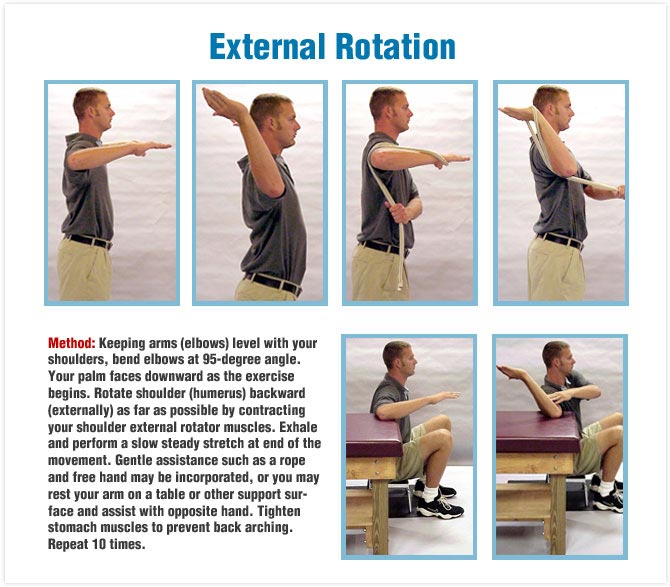
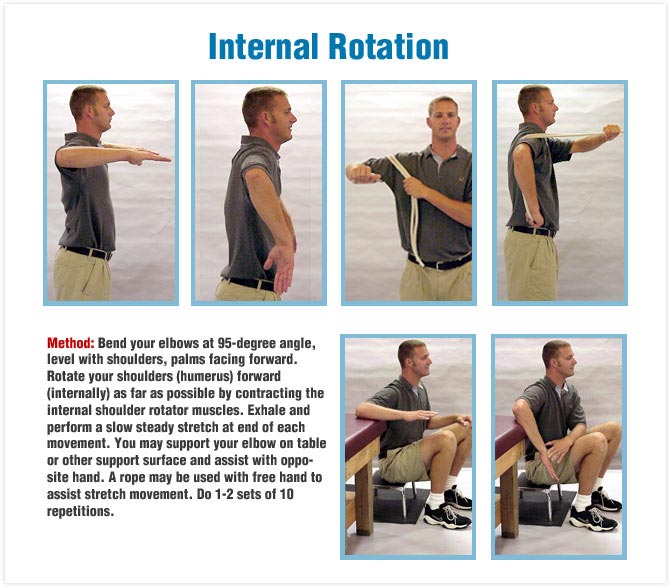
So how does AIS differ from the myriad of modalities available for aches, pains and greater athletic performance?There are three main principles of AIS that will help you understand this method of flexibility.First, active isolated stretching uses your body's own laws to facilitate the results I am speaking of. The stretches are held for only 1.5-2 seconds, and are completed in repetitions.The reason for this is that when a stretch is held for longer than two seconds, a protective mechanism called "myotatic stretch reflex" is triggered. This reflex happens in your body under many normal circumstances. However in elite performance, injury rehabilitation or the desire to instill lasting changes in the body, this reflex is undesirable.The aforementioned is true because when the myotatic stretch reflex is initiated (by holding stretches for more than approx. 2.5-3 seconds), the muscle being stretched will begin to contract, creating what is known as an eccentric contraction - something we do not want to happen.Allowing the myotatic stretch reflex to occur while stretching causes oxygen to be depleted from the tissue being stretched. Reduction of oxygen is the opposite of what you want to happen in a rehabilitation or performance situation.Secondly, the stretches performed in this technique are "active"-- meaning the person being stretched actually helps move their own body part with their own muscles, before any assistance with a rope (if done alone) or a therapist (if treated by therapist) is initiated.This active movement causes "reciprocal inhibition" (Sherrington's law). Simply put, when a muscle contracts, another muscle called the "antagonist" (the opposite) muscle is shut off.The perfect environment to stretch a muscle is when it is relaxed. Active Isolated Stretching achieves this concept with every stretch.Here are two simple exercises demonstrating external and internal rotation stretches:
  |
Finally, breathing...In this concept, I am speaking about optimizing the oxygen content of the muscle and surrounding fascia (connective tissue). You should always be exhaling during the "work phase" of the stretch, or while the myofascia is being stretched.Breathing in this manner will allow the maximum amount of oxygen to be delivered to the region being treated. This is the optimal result desired, whether it is for athletic performance, rehabilitation, or just preparing yourself for your day.
Additional Benefits of AIS
There are several other benefits that occur by using AIS.Because your brain and nervous system are engaged in every movement, there is neuromuscular re-education occurring as the repetitions are done. Every time a new range of motion is achieved, new neural pathways are produced.For athletes, Power= Strength + Flexibility + Time.A muscle cannot be trained to its end range if maximum range of motion is not achieved. By using repetitions, great amounts of lymph are moved through your body. This is of great benefit in wound and injury healing, as well as detoxification of your body.Additionally, the benefits of AIS can result in an enhanced immune system, as well as improved feeling of well-being because of increased flexibility.There are many reasons to be, or become flexible. Your daily activities will be enhanced by having a more supple, movable body. Personally, I find it to be the most critical aspect of well-being. If you cannot move well, all activities, fitness endeavors, strength training, and general health can be compromised.

No comments:
Post a Comment